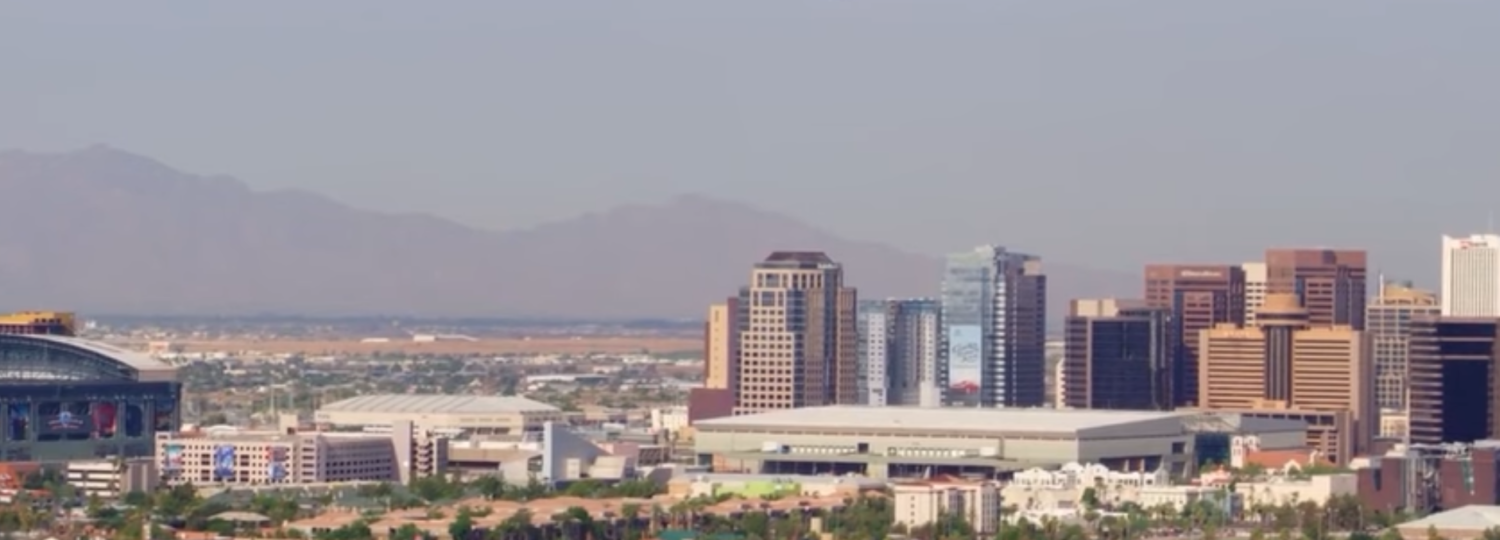
Phoenix, Arizona is the capital city of the state of Arizona and the fifth-largest city in the United States. Phoenix is often compared to other major U.S. cities like Boston, MA, each with its own unique history and cultural identity.
The city has a rich history that dates back thousands of years, from its Native American roots to its modern-day status as a major metropolitan area.
Pre-Colonial Era
The earliest known inhabitants of the area now known as Phoenix were the Hohokam people, who lived in the area from around 300 BC to 1450 AD. The Hohokam were known for their advanced irrigation systems, which allowed them to farm the desert landscape and create a thriving civilization.
The Hohokam built hundreds of miles of canals to irrigate their crops, some of which are still in use today. They also built elaborate homes and ceremonial structures, and created intricate pottery and artwork. They were skilled farmers, growing crops such as corn, beans, and squash, as well as cotton and tobacco.-+
The Hohokam were also known for their trade networks, which extended throughout the Southwest and into Mexico. They traded for goods such as shells, turquoise, and macaws, which they used for ceremonial purposes.
Despite their advanced civilization, the Hohokam mysteriously disappeared around 1450 AD. The cause of their decline is still debated among archaeologists, but theories include drought, environmental degradation, and social conflict.
Today, the legacy of the Hohokam can be seen throughout Phoenix, from the canals that still irrigate crops to the artwork and pottery they created. The city is home to several museums and archaeological sites that showcase the history and culture of the Hohokam people, including the Pueblo Grande Museum and Archaeological Park and the Casa Grande Ruins National Monument.
The Hohokam people left a lasting impact on the region, and their advanced irrigation systems and agricultural practices continue to influence modern-day farming and sustainability efforts in the desert Southwest.
Spanish Colonial Period
In the late 1600s, Spanish explorers arrived in the area, including Father Eusebio Kino, who established missions in the region. These missions became centers of daily life, agriculture, and early recreational activities that brought communities together. In 1821, Mexico gained independence from Spain, and the area that is now Phoenix became part of the new country.
Territorial Period
In 1848, the United States acquired the land that is now Arizona as part of the Treaty of Guadalupe Hidalgo, which ended the Mexican-American War. The area was sparsely populated until the 1860s, when the Civil War created a demand for copper, which was abundant in Arizona, leading to a population boom.
In 1868, Jack Swilling, a former Confederate soldier, established the first irrigation system in the area, allowing farming in the desert and supporting community growth, social gatherings, and outdoor recreational activities. Swilling is often credited with founding the city of Phoenix.
Statehood and Modern Era
In 1912, Arizona became the 48th state in the United States, and Phoenix became the capital city. During the 20th century, Phoenix experienced rapid growth, fueled by the post–World War II economic boom and the development of air conditioning technology, which made the desert climate more livable and expanded opportunities for year-round recreational activities.
In the 1960s, the city became a center for the civil rights movement, with Dr. Martin Luther King Jr. visiting Phoenix several times to give speeches and organize protests. In the 1970s and 1980s, the city experienced further growth and development, with the construction of high-rise buildings, expanded infrastructure, and modern housing developments, many featuring garage door and entry solutions for improved safety and convenience.
In the early 21st century, Phoenix continued to grow with a focus on sustainable development and environmental preservation. The city is now a major center for business, tourism, culture, and outdoor recreational activities, supported by its thriving arts and entertainment scene.
The city’s economy is diverse, with major industries including healthcare, finance, manufacturing, and technology. It is home to several Fortune 500 companies, including Intel and Honeywell, as well as a thriving startup scene.
Phoenix is also known for its vibrant arts and culture, with world-class museums, theaters, and galleries such as the Phoenix Art Museum, the Heard Museum of Native American Art and Culture, and the Arizona Science Center.
Those considering a move to the area can also explore Phoenix’s neighborhoods and suburbs to compare lifestyles, amenities, and housing options before choosing where to live.
One of the city’s most iconic landmarks is Camelback Mountain, a popular hiking destination offering stunning views of the city and surrounding desert landscape. The city also features numerous parks and nature preserves, including the Phoenix Mountains Preserve and South Mountain Park—one of the largest urban parks in the country—providing residents and visitors with diverse recreational activities.
In recent years, Phoenix has also become known for its commitment to sustainability and environmental preservation. The city has implemented several initiatives aimed at reducing carbon emissions and promoting renewable energy, and has been recognized as one of the top cities in the country for sustainability.
The city has set a goal of reaching carbon neutrality by 2050, and has implemented several initiatives to achieve this goal. These include the installation of solar panels on city buildings and the implementation of energy efficiency measures in city operations. The city has also adopted a goal of sourcing 100% of its electricity from renewable sources by 2050.
In addition to these efforts, the city has implemented programs aimed at reducing waste, conserving water, and promoting sustainable transportation. These include curbside recycling and composting programs, the implementation of water conservation measures, and the expansion of bike lanes and public transportation options.
Phoenix’s commitment to sustainability has been recognized on a national level, with the city receiving numerous awards and accolades for its efforts. The city has also become a model for other cities looking to address environmental challenges and promote sustainable development.
Despite its many accomplishments, Phoenix still faces several challenges, including issues related to affordable housing, transportation, and education. However, the city’s leaders and residents are committed to addressing these challenges and building a more sustainable and equitable future for all.
Phoenix, Arizona has a rich and diverse history that spans thousands of years, from its Native American roots to its modern-day status as a major metropolitan area. As one of the most iconic places in Arizona, the city has undergone rapid growth and development in the past century, fueled by technological advancements and economic opportunities. Today, Phoenix is a thriving center for business, tourism, and culture, with a commitment to sustainable development and environmental preservation.